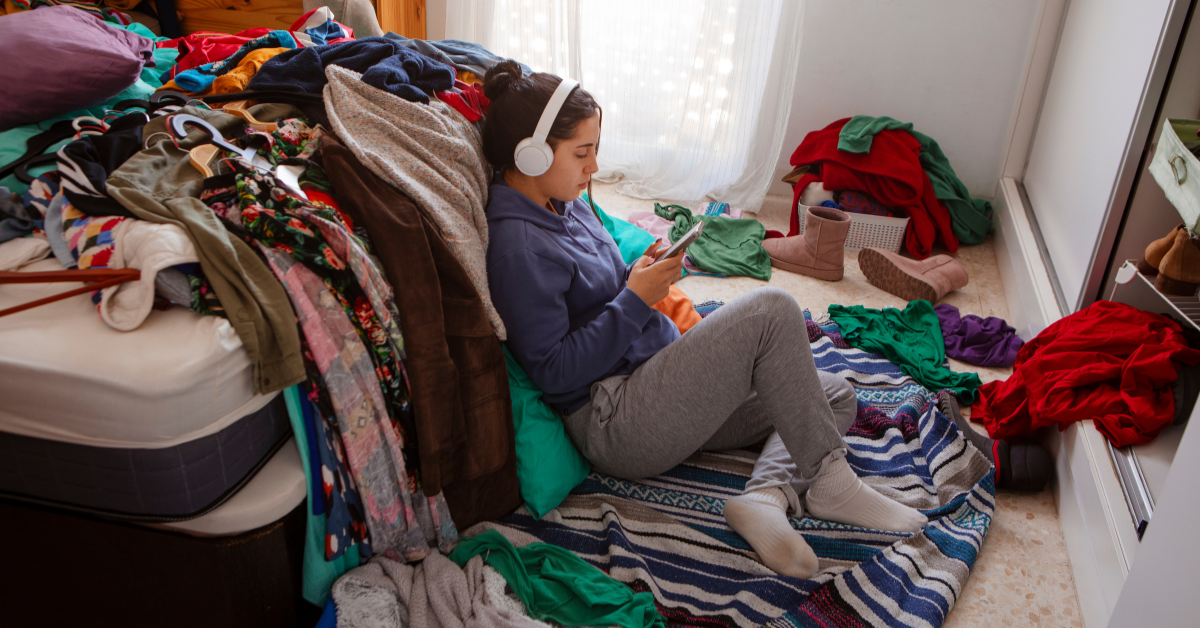
Open your closet. Do you see clothes you haven’t worn in years but still can’t throw away? Or perhaps a drawer filled with “just in case” items? You’re not alone. Humans have a strange attachment to objects, even when they no longer serve us. But why do we keep things we don’t need? And more importantly, how can we finally let them go?
Why We Hold On to Things?
Emotional Attachment
We often tie objects to memories. That old sweater may remind you of college days, or a chipped mug might bring back mornings with a loved one. The item becomes a memory keeper, making it harder to part with.
Fear of Regret
“What if I need it someday?” is one of the biggest mental traps. Our brains dislike the idea of future regret, so we keep things “just in case.”
Identity and Self-Image
Sometimes, we keep things because they represent who we were or who we wish to be. The dusty yoga mat? It represents your intention to be fit—even if it’s been months since you used it.
The Scarcity Mindset
Many of us grew up hearing, “Don’t waste things.” This creates a scarcity mentality, making us believe that throwing something away is wasteful, even when it’s useless to us.
The Hidden Costs of Clutter:
Mental Overload
When your environment is crowded, your brain has to work harder to filter through distractions. Studies in neuroscience show that clutter competes for your attention, reducing your ability to focus.
- Imagine sitting at your desk with piles of papers, random cables, and yesterday’s coffee cup. Even if you’re not consciously looking at them, your brain is processing their presence.
- This constant visual “noise” drains mental energy, leaving you feeling overwhelmed, stressed, and mentally exhausted.
- Over time, clutter can make even small tasks feel heavier, because your mind never truly feels “clear.”
Emotional Drain
Clutter is more than just physical—it’s emotional baggage in disguise.
- Many unused or unfinished items trigger feelings of guilt. The treadmill that’s now a clothes hanger whispers, “You should exercise more.” That half-done craft project nags, “You never finish what you start.”
- Other objects carry sadness or nostalgia. A box of old love letters may remind you of a breakup. Clothes that no longer fit may spark body image concerns.
- These unspoken emotions build up in the background, weighing on your mood without you realizing it. Essentially, clutter is a daily reminder of regrets, “should-haves,” and past versions of yourself.
Lost Time & Space
Clutter steals two of your most valuable resources: time and physical space.
- Time: How many minutes (or hours) have you lost searching for keys, documents, or your favorite shirt in a pile of things? Research shows the average person spends 2.5 days a year looking for misplaced items. That’s time you could spend resting, creating, or enjoying life.
- Space: Every unnecessary item takes up room that could be used for something meaningful—or left empty to create a sense of openness. A crowded room not only looks smaller, but it also feels suffocating, leaving less space for relaxation or creativity.
- The irony? The more we keep, the less we can actually use and enjoy our homes.
How to Finally Let Go:
Ask the Right Questions
- Do I use this often?
- Does it bring me joy or add value?
- Would I buy this again today?
Shift Your Perspective
Instead of seeing letting go as “losing something,” see it as making space—for new experiences, freedom, and peace of mind.
Start Small
Begin with one drawer or one shelf. Success in small areas builds confidence for bigger ones.
Create a Memory Box
If something truly holds sentimental value but no practical use, keep it in a small memory box instead of letting it clutter your entire home.
Practice the One-Year Rule
If you haven’t used it in the last year, chances are, you won’t. Time to let it go.
You Might Also Like:
I Woke Up at 5 AM for a Month – Here’s What Happened
10 Ways to Live a Sustainable Life
The Rise of Smart Homes: Gadgets That Simplify Modern Living