
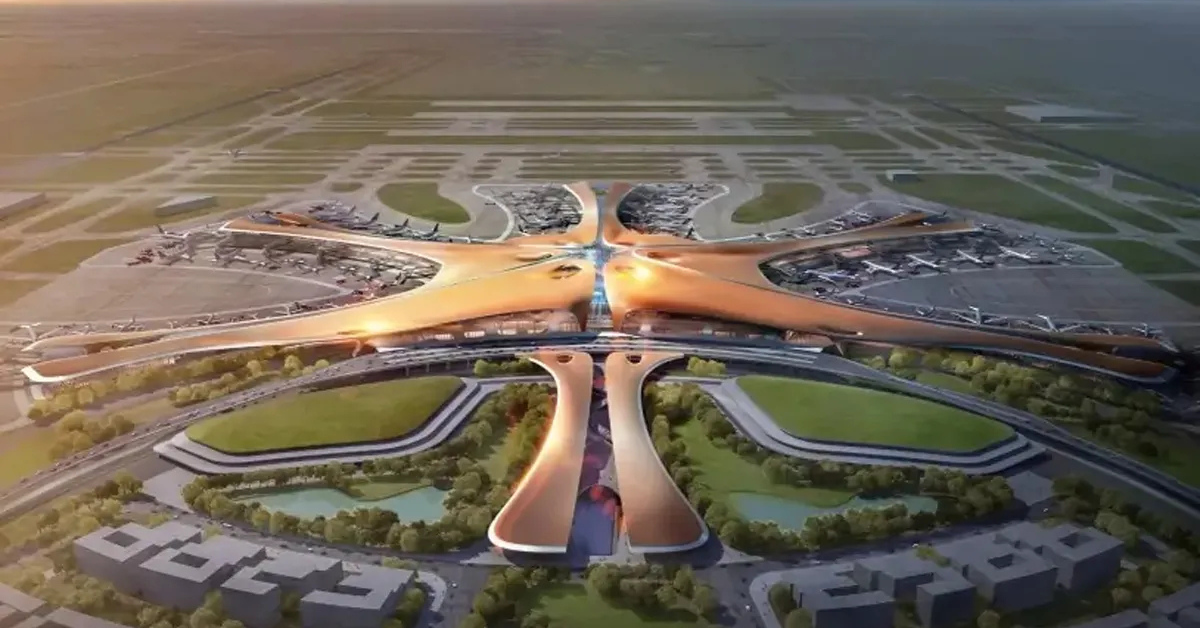
Mumbai is on the verge of a major aviation milestone with the upcoming Navi Mumbai International Airport (NMIA), set to relieve the city’s current airport congestion and drive regional development. Designed as a state-of-the-art greenfield airport, NMIA promises modern facilities, enhanced connectivity, and significant economic impact. Here’s everything you need to know about this ambitious project, including its inauguration and operational details.
Inauguration Details
The first phase of NMIA is scheduled to be inaugurated on October 8, 2025, with Prime Minister Narendra Modi presiding over the ceremony. The airport has been officially named Navi Mumbai International Airport, named after the late D. B. Patil, subject to final approvals from the central government. The inauguration marks the culmination of years of planning, construction, and rigorous testing.
Phase One Features
Phase one of NMIA includes a single terminal, Terminal 1, designed to accommodate around 20 million passengers annually, covering both domestic and international traffic. The airport also plans an initial cargo handling capacity of 0.8 million metric tonnes, supporting trade and logistics growth.
The main runway is already operational, with plans for additional runways in future phases to handle larger aircraft and increased air traffic. The terminal architecture blends modern design with sustainability features, including energy-efficient systems and eco-friendly construction practices.
Connectivity is a key focus: the airport will be linked to Mumbai and surrounding areas through a combination of roadways, metro lines, and expressways, while proposals for water taxi services and electric shuttle systems aim to enhance last-mile transport.
Timeline to Operations
The airport has received its DGCA aerodrome license, clearing a major regulatory hurdle. After the inauguration in October 2025, commercial flight operations are expected to commence around December 2025.
Future expansion plans include up to four terminals and potentially a second runway, allowing the airport to handle significantly higher passenger volumes. Once fully developed, NMIA is projected to cater to over 90 million passengers per year, making it one of India’s largest greenfield airports.
Strategic Significance
One of NMIA’s primary objectives is to ease the load on Mumbai’s Chhatrapati Shivaji Maharaj International Airport, which currently handles a massive volume of domestic and international flights. By redistributing air traffic, NMIA will reduce congestion, improve operational efficiency, and enhance passenger experience.
The airport also plays a crucial role in the regional economy. It is expected to create thousands of jobs, stimulate local businesses, boost tourism, and support the growth of industrial and residential areas around Navi Mumbai, Panvel, and Raigad.
Sustainability is embedded in its design, with features such as solar power generation, energy-efficient terminal operations, and green building certifications to minimize ecological impact.
Challenges and Considerations
Despite nearing completion, several challenges remain. Ground connectivity and supporting infrastructure need to be fully operational to ensure smooth passenger and cargo movement. Maintaining high safety and regulatory standards during the transition to commercial operations is also critical.
Additionally, as the airport grows, continuous coordination with air traffic authorities, local municipalities, and transport agencies will be necessary to manage future expansions effectively.
Economic and Regional Impact
The airport’s opening will catalyze economic growth in Navi Mumbai and surrounding areas, attracting investments in real estate, hospitality, logistics, and aviation services. Its strategic location ensures better accessibility for passengers from Mumbai, Pune, Thane, and other neighboring cities.
Improved cargo handling will also make the region more competitive in trade and exports, giving businesses faster and more reliable access to national and international markets.
Looking Forward
The Navi Mumbai International Airport, set to be inaugurated by Prime Minister Narendra Modi on October 8, 2025, represents a transformative project for the Mumbai Metropolitan Region. Phase one, featuring Terminal 1 with 20 million passenger capacity and initial cargo facilities, will reduce congestion, improve connectivity, and promote regional development.
With planned expansions in terminals, runways, and transportation links, NMIA is poised to become a world-class aviation hub. Beyond just flights and cargo, it is a symbol of modern infrastructure planning, sustainable development, and India’s growing stature in global aviation.