
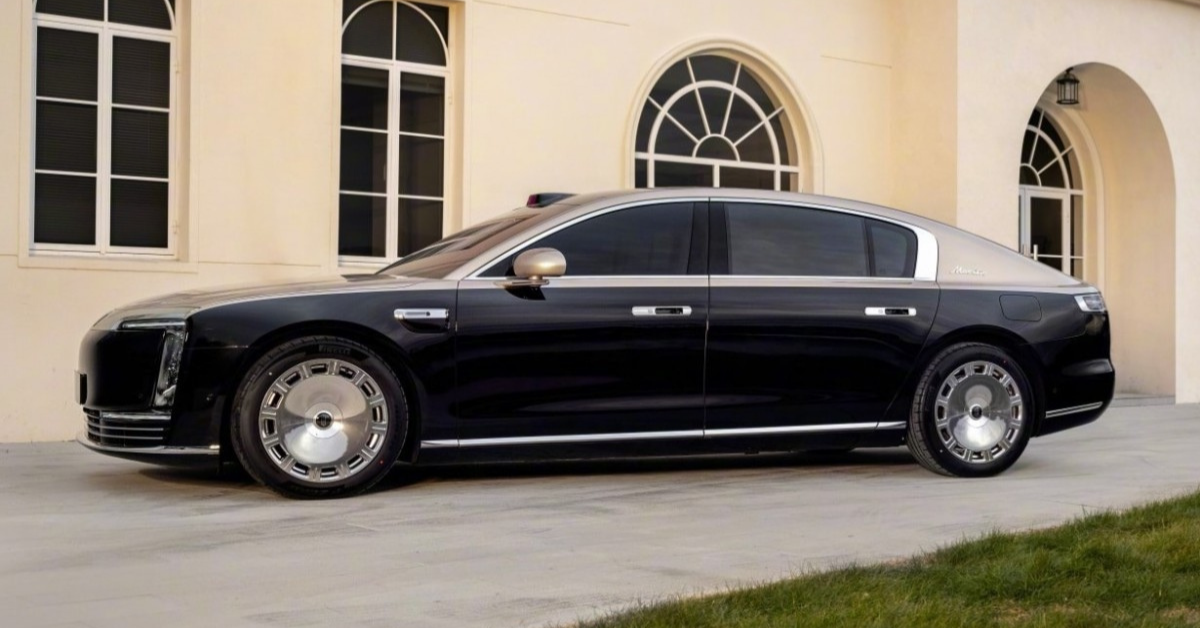
The global automotive industry witnessed a bold new chapter when Huawei—best known as a tech and smartphone giant—unveiled its ultra-luxury electric sedan, the Maextro S800, in 2025. With a price tag of around ¥1 million (₹1.19 crore), the car represents Huawei’s ambitious attempt to take on established legends such as Rolls-Royce, Mercedes-Maybach, Audi, and BMW.
For Huawei, this is more than just entering the automobile market. It’s a statement—a fusion of technology, design, and luxury aimed at redefining what an ultra-premium vehicle can be in the era of electric mobility.
The Unique Selling Points of Huawei’s Maextro S800
What immediately sets the Maextro S800 apart is its ability to merge futuristic technology with high-end craftsmanship. While traditional luxury cars emphasize heritage and exclusivity, Huawei’s focus is on creating a tech-powered luxury experience.
- Design Language: The sedan’s design blends elegance with a futuristic edge. With a sleek coupe-like silhouette, crystal-inspired lighting, flush door handles, and a starlit “shimmer ceiling,” it mirrors the grandeur of a Rolls-Royce while standing out as something entirely modern.
- Performance Power: Delivering up to 838 bhp, the S800 boasts performance figures that place it firmly in the ultra-luxury league, making it as thrilling to drive as it is comfortable to ride in.
- Technology Core: This is where Huawei’s DNA shines brightest. Packed with AI-driven infotainment systems, advanced driver-assist features, LiDAR sensors, and multi-screen dashboards, the car offers an unmatched digital-first luxury cabin experience.
By leaning into its strength in connectivity and smart systems, Huawei positions the Maextro as not just a car, but a mobile tech ecosystem wrapped in luxury.
Competing with the Icons
Challenging names like Rolls-Royce, Maybach, BMW, and Audi is no small feat. These brands have decades of legacy, craftsmanship, and prestige behind them. But Huawei isn’t trying to outdo them in tradition—it’s rewriting the rules of luxury.
Audi: Audi’s focus on sporty yet luxurious cars with innovative tech overlaps with Huawei’s strategy, making it a key rival.
In essence, Huawei is targeting a new type of luxury buyer—someone who values innovation and exclusivity as much as heritage.
Rolls-Royce & Maybach: Known for bespoke craftsmanship and unmatched prestige, these brands are synonymous with status. Huawei can’t match their heritage, but it can compete by offering futuristic tech and modern aesthetics that younger ultra-rich buyers may prefer.
Mercedes & BMW: These German titans dominate the premium luxury sedan segment globally. With the rise of EVs, Huawei is stepping directly into their space, offering similar performance with a tech-heavy edge at a relatively competitive price.
How Huawei’s Entry Could Affect Sales
The launch of the Maextro S800 could ripple across the global luxury market in several ways:
- Tech as the New Luxury Standard
Buyers in the luxury space are becoming younger and more tech-savvy. They expect seamless connectivity, autonomous driving aids, and futuristic interiors. Huawei raises the bar here, which could push traditional luxury players to innovate faster. - Value vs Prestige
At ₹1.19 crore, Huawei’s Maextro undercuts the price of a Rolls-Royce (which starts above ₹5 crore) while offering comparable luxury features. This may lure aspirational buyers who want ultra-luxury experiences without crossing the ultra-high pricing threshold. - China and Asia as Growth Hubs
With China already one of the largest luxury car markets, Huawei has a home-ground advantage. Its reputation in consumer electronics could translate into strong trust among domestic buyers, potentially eating into BMW and Mercedes sales. - India’s Emerging Luxury Market
In India, ultra-luxury car sales are growing but are still niche due to high import duties. If Huawei manages local partnerships or government backing, it could significantly disrupt the space, offering tech-luxury sedans at more competitive prices.
The Challenges Ahead
Of course, Huawei’s road to becoming a true luxury car powerhouse isn’t smooth:
- Brand Identity: Rolls-Royce buyers don’t just buy a car—they buy a legacy. Huawei, as a tech-first brand, has to prove it belongs in this rarefied air.
- After-Sales Service: Ultra-luxury owners expect white-glove aftercare and bespoke services. Huawei will need to scale up globally to meet such expectations.
- Geopolitics and Trust: As a company often under international scrutiny, Huawei may face hurdles entering Western markets, limiting its expansion compared to its German and British rivals.
A Redefinition of Luxury?
The Maextro S800’s arrival signals a shift in how we define luxury cars. The future is not only about handcrafted leather seats or polished wood trims—it’s also about AI-driven cabins, self-learning software, and ultra-modern aesthetics. Huawei is betting that tomorrow’s billionaires and millionaires will want cars that reflect both their wealth and their tech-forward lifestyles.
Final Thoughts
Huawei’s Maextro S800 is more than just a car—it’s a vision of the future of luxury mobility. By blending power, performance, and cutting-edge tech, it directly challenges long-established automotive icons. Whether it can truly dethrone brands like Rolls-Royce or Mercedes remains to be seen, but one thing is certain: Huawei has sparked a new conversation in the ultra-luxury segment.
In a market where status has long been defined by heritage, Huawei is daring to redefine it with innovation. And that alone makes its entry one of the boldest moves in automotive history.