
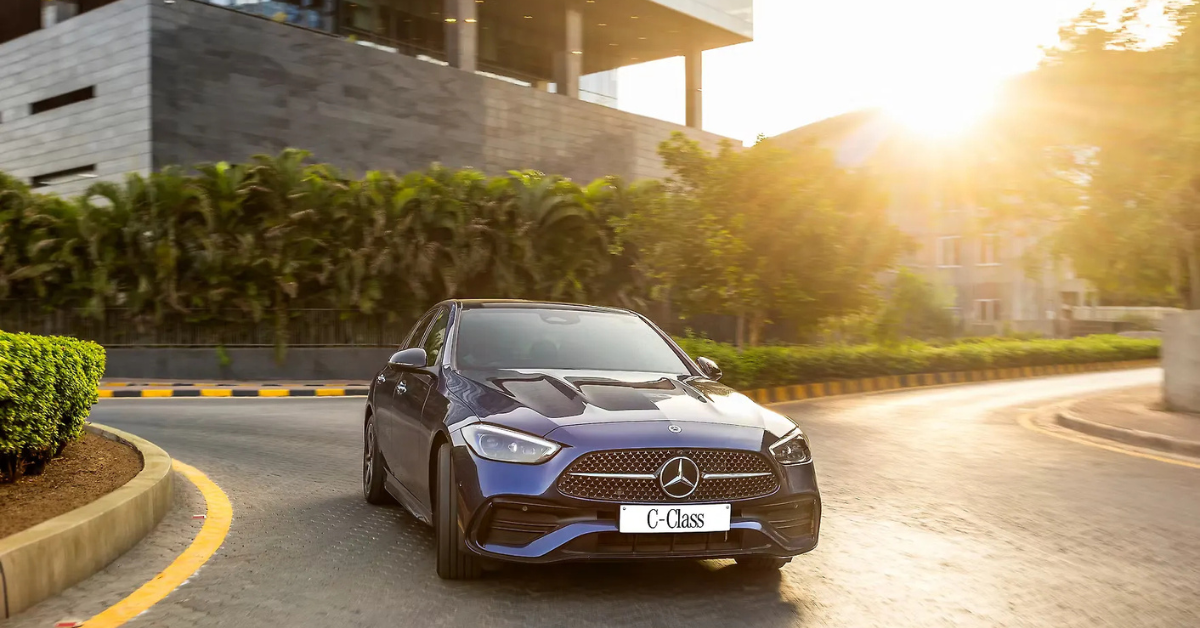
In a remarkable milestone for India’s luxury automobile market, Mercedes-Benz India has achieved a record-breaking sales performance — selling one car every 6 minutes during the Navratri festive period in 2025. What makes this even more extraordinary is that each car sold averaged around ₹1 crore, marking the highest-ever sales rate and revenue in the company’s Indian history.
This unprecedented demand highlights India’s growing luxury market, buoyed by strong consumer confidence, rising incomes, and a favorable policy environment.
The Record-Breaking Performance
Between September 22 and September 30, 2025, Mercedes-Benz India retailed over 2,500 cars, averaging nearly 277 vehicles per day. That translates to one car sold approximately every six minutes. Nearly half of the company’s quarterly sales occurred in those nine days, making it the strongest quarter ever for Mercedes in India.
According to company executives, the surge in sales was driven by multiple factors, including festive season demand, a recent reduction in GST on luxury cars, and robust interest in high-end models such as the Mercedes-Maybach, AMG lineup, and EQ electric series.
Why Sales Skyrocketed
Several key elements aligned perfectly to create this historic demand surge:
1. GST 2.0 Reform Boost
A reduction of about 6% in GST on luxury cars came into effect on September 22, just as the festive period began. This policy shift made luxury vehicles more price-competitive and encouraged buyers who had been waiting for favorable conditions. The immediate timing of the reform created a window of opportunity that Mercedes used effectively.
2. Festive Sentiment and Cultural Timing
Navratri is traditionally considered an auspicious time for making major purchases in India. Combining this cultural factor with fresh tax benefits led to an ideal scenario for luxury sales. Mercedes strategically aligned its marketing campaigns and dealer promotions with this sentiment, ensuring maximum visibility and customer engagement.
3. Rising Demand for Top-End Models
The Indian luxury car buyer is evolving. There’s a noticeable shift toward higher-priced models, custom builds, and feature-loaded vehicles. Mercedes’ “Top-End Vehicle” segment — including the S-Class, GLS Maybach, and high-performance AMG models — contributed significantly to sales, lifting the brand’s average transaction value to the ₹1 crore mark.
4. Customer-Friendly Offers and Finance Options
Mercedes-Benz introduced innovative finance programs like Key-to-Key exchange and Dream Days, which simplified ownership transfers and reduced upfront payment barriers. Flexible EMI plans and special Navratri offers also boosted buyer confidence, bringing in new customers from both metro and Tier-2 cities.
5. Strong Economic Sentiment
India’s expanding affluent class, stable macroeconomic indicators, and growing consumer confidence have all contributed to an appetite for luxury spending. High-net-worth individuals are increasingly prioritizing comfort, performance, and brand prestige — all areas where Mercedes-Benz excels.
The Broader Implications
For Mercedes-Benz
This success reaffirms Mercedes’ leadership in India’s luxury segment. The company is likely to invest more in Tier-2 city showrooms, customer experience centers, and after-sales infrastructure to serve its expanding clientele. The record will also shape Mercedes’ strategy toward more bespoke and premium offerings tailored for Indian customers.
For the Luxury Car Market
Mercedes’ sales momentum signals a strong recovery and expansion phase for India’s luxury automotive industry. Other global brands like BMW, Audi, and Jaguar Land Rover are expected to respond with aggressive new launches, limited editions, and festive campaigns of their own.
For India’s Economy
The growing appetite for high-end cars demonstrates rising disposable income and evolving lifestyle aspirations. It also indicates how policy reforms — such as GST adjustments — can have a direct impact on consumer behavior, particularly in premium sectors.
Challenges Ahead
While the numbers are impressive, sustaining this momentum poses challenges:
- Temporary Demand Spike: Sales may normalize once the GST benefit and festive rush fade. Maintaining long-term growth will depend on consistent policy support and new model introductions.
- Price Volatility: Currency fluctuations and import costs could affect pricing in the coming quarters.
- Supply Chain Readiness: To meet rising demand, Mercedes will need to ensure steady supply of vehicles and quick delivery timelines.
- Market Saturation in Metros: Growth will increasingly come from smaller cities, requiring targeted expansion and localized strategies.
The Road Ahead
Looking forward, Mercedes-Benz India aims to leverage this momentum by expanding its EV portfolio, improving localization to reduce import dependency, and enhancing customer experience through digital platforms. The company also plans to strengthen its service network and invest in green technology to align with India’s sustainability goals.
Other automakers will be closely watching Mercedes’ success as a case study in how well-timed policy changes, consumer sentiment, and brand strategy can align to produce exceptional results.
Mercedes-Benz India’s feat of selling one car every 6 minutes at an average price of ₹1 crore is more than just a sales record — it’s a reflection of India’s economic evolution and its growing fascination with luxury. It shows that the Indian market is not only ready for ultra-premium automobiles but is also capable of sustaining global brands at scale.
The company’s ability to convert cultural timing, economic policy, and customer aspiration into measurable success sets a new benchmark for the industry. For Mercedes-Benz, this achievement is not just about record numbers — it’s about driving into the future of India’s luxury mobility story.