
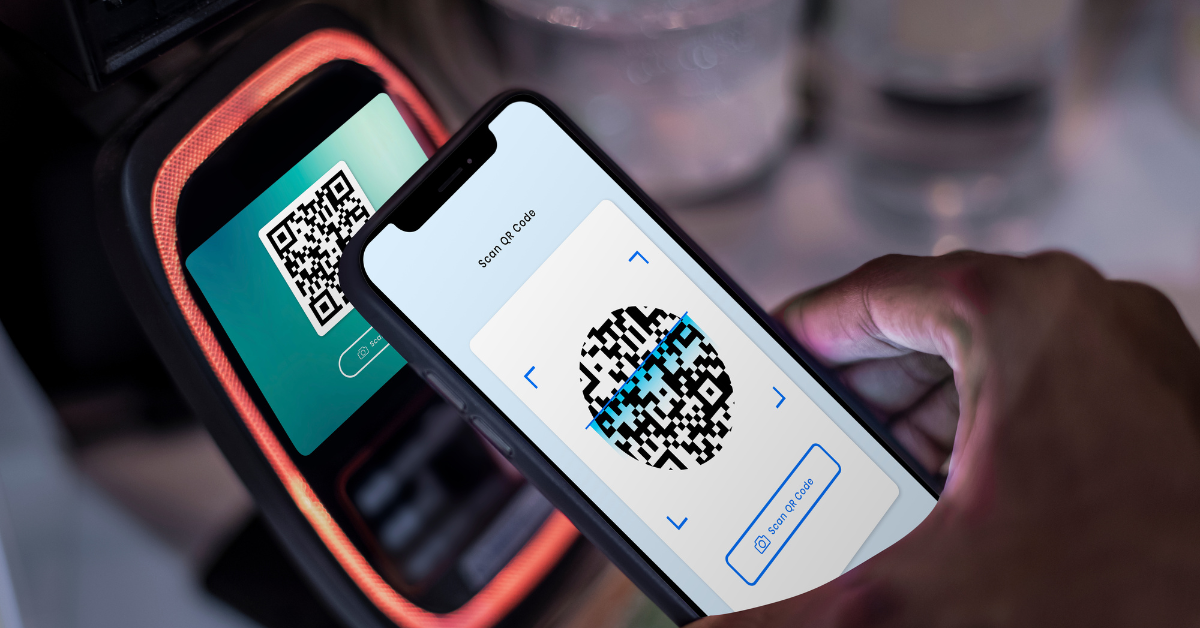
India’s digital payment system is set for a historic upgrade. Starting October 8, 2025, users will be able to approve UPI (Unified Payments Interface) transactions using biometric authentication — through fingerprint or facial recognition — instead of manually entering a PIN.
This update, backed by the Reserve Bank of India (RBI) and implemented by the National Payments Corporation of India (NPCI), is designed to make transactions faster, more secure, and more inclusive. The rollout will initially begin with select banks and UPI apps, followed by a wider nationwide implementation.
How Biometric UPI Will Work
The process for biometric authentication will be simple and familiar:
- Initiate the Payment: The user starts a UPI payment through their regular banking or payment app.
- Choose Biometric Verification: Instead of entering a PIN, the app will offer fingerprint or face recognition as an alternative.
- Identity Match: The system verifies the biometric data using secure Aadhaar-linked credentials stored with UIDAI.
- Transaction Approval: If the biometric data matches, the payment is instantly processed. If not, the user can revert to PIN-based authentication.
The NPCI has clarified that both authentication methods — PIN and biometrics — will coexist initially to ensure user comfort and system reliability.
Why This Shift Matters
1. Enhanced Security
PIN-based payments, while secure, are vulnerable to phishing, shoulder surfing, or accidental sharing. Biometrics, being unique to every individual, add a strong layer of protection. It will be significantly harder for scammers to replicate or misuse a user’s fingerprint or face data.
2. Faster and Simpler Payments
For millions of users who make small, frequent payments daily — from grocery purchases to metro rides — the elimination of PIN entry saves time and reduces friction. Transactions become instant, with minimal user effort.
3. Expanding Digital Inclusion
This update supports those with limited digital literacy, elderly citizens, and first-time smartphone users who often struggle to remember PINs. Biometric recognition simplifies participation in the digital economy and can help rural users transition smoothly into cashless transactions.
4. Strengthening India’s Fintech Leadership
With this move, India joins a global wave of countries integrating biometric-based verification into payment systems. It highlights India’s leadership in large-scale, secure, and inclusive fintech innovation.
Challenges and Key Considerations
While the transition brings multiple benefits, it also raises critical concerns that need addressing:
1. Data Privacy and Security
Biometric data is highly sensitive. Any misuse or breach could lead to irreversible consequences. Hence, biometric templates must be encrypted, stored securely, and accessed only with explicit user consent. Regulators and financial institutions must enforce strict data governance and auditing practices.
2. Device Compatibility
Not all smartphones have reliable fingerprint scanners or advanced front cameras. Ensuring uniform compatibility across low-cost and high-end devices will be crucial to avoid excluding users from the new system.
3. Fallback Options
There will be cases where biometrics fail — due to lighting, sensor issues, or changes in appearance. Therefore, the PIN option will continue to serve as a backup. NPCI and banks must ensure that switching between methods is seamless.
4. User Consent and Transparency
Participation in biometric authentication should be voluntary. Users must be informed about how their data is processed, where it’s stored, and their right to opt out without losing access to UPI services.
5. Implementation at Scale
Deploying biometric UPI across hundreds of banks and millions of merchants requires robust backend infrastructure, real-time synchronization, and advanced anti-spoofing measures. Pilot testing and phased rollout will be key to success.
What Users Should Expect
- Gradual Rollout: Biometric UPI will be introduced in phases, starting with select apps like PhonePe, Paytm, and BHIM.
- Easy Setup: Users may need to reverify Aadhaar-linked biometrics or update permissions in their payment apps.
- Improved Trust: Faster, safer, and more convenient transactions will likely increase adoption across demographics.
Looking Ahead
India’s payment ecosystem has evolved rapidly over the last decade — from QR codes to voice-enabled transactions. The introduction of biometric UPI marks another major milestone in that journey. It promises a balance between security, simplicity, and accessibility, redefining how Indians pay every day.
However, success will depend on how well authorities handle data protection, ensure device compatibility, and maintain user trust. If executed carefully, biometric authentication could take India’s cashless economy to the next level, reinforcing UPI’s reputation as one of the most innovative payment systems in the world.